




Introduction
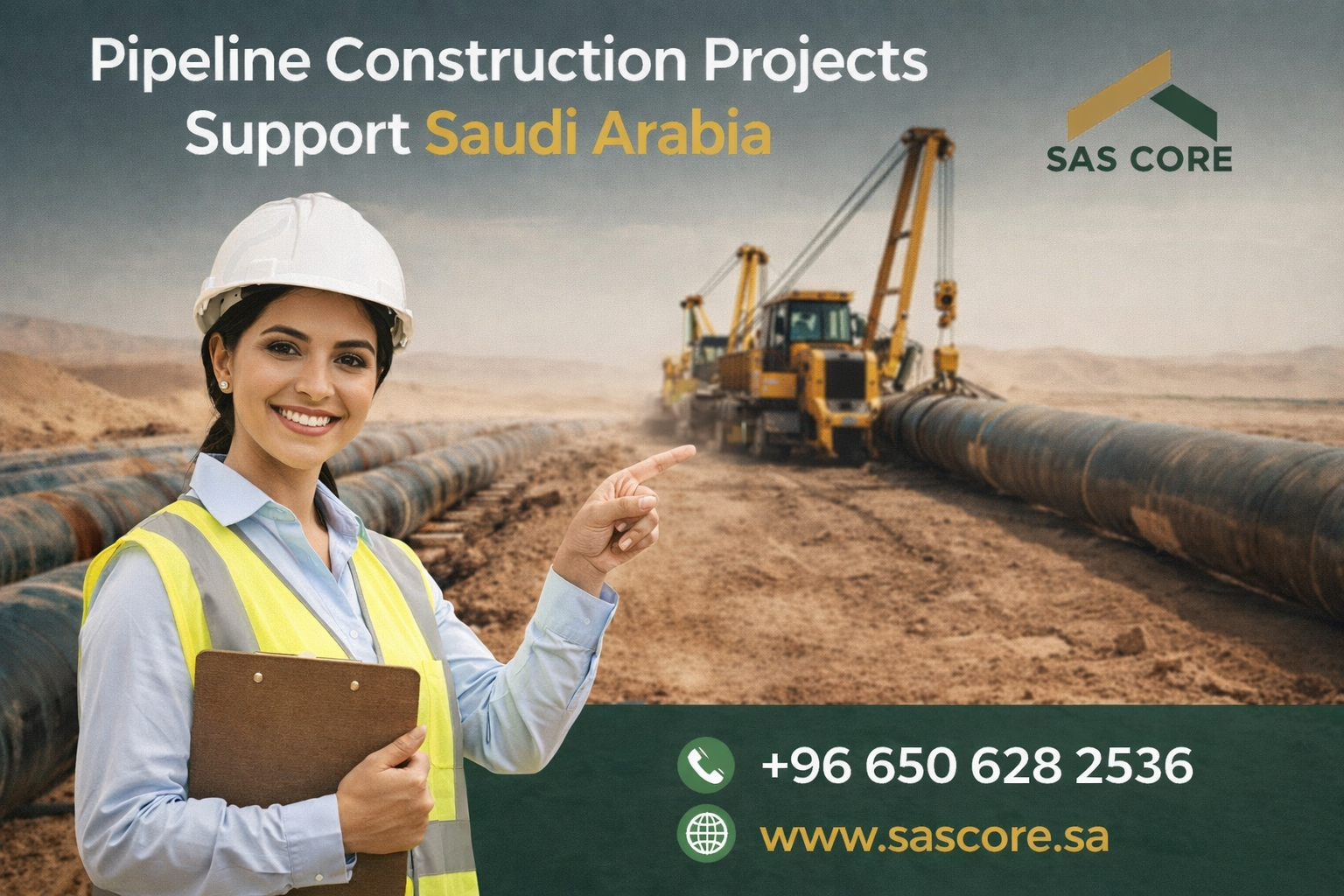
Pipeline Construction Projects Saudi Arabia are playing a crucial role in strengthening the Kingdom’s energy infrastructure and supporting Vision 2030. With expanding oil, gas, water, and industrial networks, the demand for modern, safe, and sustainable pipeline systems continues to grow. From upstream oil fields to downstream refineries and industrial cities, pipeline development ensures reliable transportation of vital resources across vast desert landscapes and coastal regions.
As global energy markets evolve, Saudi Arabia is investing heavily in advanced engineering, digital monitoring, and environmentally responsible construction practices to maintain its leadership in the energy sector.
Growing Demand for Pipeline Infrastructure
Saudi Arabia is home to some of the world’s largest oil and gas reserves, managed by industry leaders such as Saudi Aramco. The expansion of refining capacity, petrochemical complexes, and industrial zones like Jubail and Yanbu has significantly increased the need for reliable pipeline systems.
Pipeline Construction Projects Saudi Arabia now extend beyond oil and gas to include water transmission, desalination supply lines, hydrogen transport, and carbon capture pipelines. This diversification aligns with the Kingdom’s sustainability goals and industrial expansion plans.
Modern Technologies Transforming Pipeline Projects
Today’s Pipeline Construction Projects Saudi Arabia are driven by innovation. Advanced technologies improve safety, reduce downtime, and enhance operational efficiency.
Key technological advancements include:
- Automated Welding Systems for higher precision and speed
- Smart Pigging & Inspection Tools for internal pipeline monitoring
- SCADA Systems for real-time performance tracking
- Drone & GIS Mapping for route planning and environmental assessment
- Corrosion Protection & Coating Technologies to extend pipeline lifespan
A leading Pipeline Services Company in Saudi Arabia integrates these technologies to ensure compliance with international standards and local regulations.
Focus on Safety and Environmental Responsibility
Safety remains a top priority in pipeline construction. Contractors implement strict HSE (Health, Safety, and Environment) policies to protect workers and nearby communities. Comprehensive risk assessments, emergency response planning, and regular inspections are standard practices.
Environmental sustainability is equally important. Modern Pipeline Construction Projects Saudi Arabia minimize ecological disruption through:
- Controlled excavation techniques
- Waste management systems
- Low-emission construction equipment
- Soil restoration and land rehabilitation
These efforts support Saudi Arabia’s commitment to reducing environmental impact while maintaining industrial growth.
Economic Impact and Job Creation
Pipeline infrastructure directly contributes to economic growth. Large-scale Pipeline Construction Projects Saudi Arabia create employment opportunities for engineers, welders, safety officers, project managers, and skilled technicians.
Additionally, local manufacturing of pipes, fittings, and equipment strengthens domestic supply chains. A professional Pipeline Services Company in Saudi Arabia often collaborates with local vendors and international partners to deliver high-quality materials and services.
These projects also attract foreign investment, reinforcing Saudi Arabia’s position as a global energy hub.
Challenges in Pipeline Construction
Despite strong growth, pipeline construction in Saudi Arabia faces unique challenges:
- Extreme desert temperatures
- Sandstorms and harsh terrain
- Remote project locations
- Strict regulatory compliance
- High demand for skilled labor
To overcome these challenges, experienced contractors rely on strategic planning, advanced equipment, and robust project management frameworks. Digital transformation tools also enhance scheduling accuracy and resource optimization.
The Future of Pipeline Construction in Saudi Arabia
The future of Pipeline Construction Projects Saudi Arabia is closely tied to energy transition strategies. Beyond traditional oil and gas pipelines, upcoming projects include hydrogen transport lines and carbon capture systems. These initiatives align with Saudi Arabia’s clean energy ambitions and global sustainability commitments.
A forward-thinking Pipeline Services Company in Saudi Arabia is investing in workforce training, digital integration, and sustainable engineering practices. Innovation, safety, and efficiency will define the next generation of pipeline infrastructure in the Kingdom.
Conclusion
Pipeline Construction Projects Saudi Arabia remain fundamental to the nation’s industrial and energy development. With expanding infrastructure, technological innovation, and sustainability initiatives, the Kingdom continues to lead large-scale pipeline development in the Middle East.