





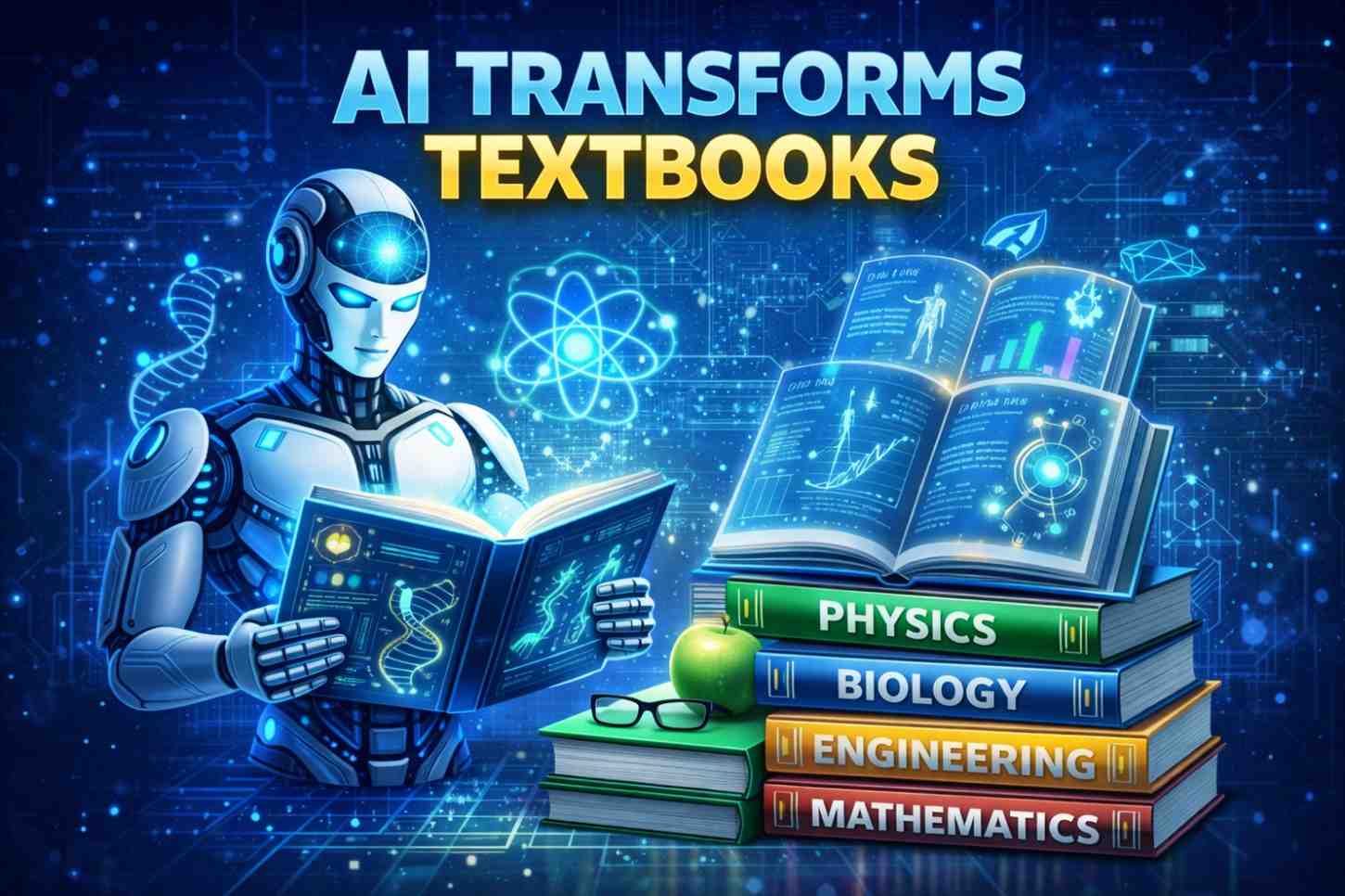
Education is changing faster than ever, and Artificial Intelligence (AI) is playing a major role in this transformation. One of the most powerful changes is how AI is turning traditional textbooks into interactive, engaging, and personalized learning experiences. Instead of reading static pages, students can now learn through videos, quizzes, simulations, and real-time feedback. This shift is making learning more effective, enjoyable, and accessible for everyone.
From Static Text to Smart Learning
Traditional textbooks have remained mostly the same for decades—printed pages filled with text and images. While useful, they often fail to keep students engaged or adapt to different learning speeds. AI-powered textbooks change this by converting content into dynamic lessons.
With AI, a chapter can include interactive diagrams, voice explanations, animated examples, and instant practice questions. Students are no longer passive readers; they actively participate in the learning process. This approach improves understanding and helps learners retain information longer.
Personalized Learning for Every Student
One of the biggest advantages of AI-driven interactive textbooks is personalization. Every student learns differently—some need visual explanations, while others prefer practice-based learning. AI analyzes student behavior, performance, and learning pace to customize lessons accordingly.
For example:
- If a student struggles with a concept, AI provides extra explanations or simpler examples.
- If a student learns quickly, AI offers advanced questions to keep them challenged.
- Lessons adapt in real time based on quiz results and interactions.
This personalized approach ensures no student is left behind, supporting both beginners and advanced learners.
Real-Time Feedback and Smart Assessments
AI transforms assessments from traditional exams into continuous learning tools. Interactive textbooks include smart quizzes, instant feedback, and progress tracking. Instead of waiting for test results, students immediately understand their mistakes and learn how to correct them.
Teachers also benefit from AI insights. They can see:
- Which topics do students find difficult
- Overall class performance trends
- Individual learning gaps
This data-driven approach allows teachers to focus on areas that truly need attention, improving overall education quality.
Interactive Features That Boost Engagement
AI-powered textbooks use modern features to keep students engaged, such as:
- Interactive simulations for science and math concepts
- Voice assistants that explain lessons in simple language
- Gamified learning with rewards and progress levels
- Augmented Reality (AR) for real-world visualization
These features make learning feel less like a task and more like an experience. Students stay motivated, curious, and actively involved.
Accessibility and Inclusive Education
AI-driven interactive textbooks also support inclusive education. Features like text-to-speech, language translation, and adjustable reading levels help students with disabilities or language barriers.
For example:
- Visually impaired students can listen to lessons
- Students can translate content into their native language
- Reading difficulty can be adjusted based on age or skill level
This ensures education is accessible to a wider audience, regardless of location or learning challenges.
Preparing Students for the Future
AI-based learning tools don’t just teach academic content—they also build digital literacy, problem-solving skills, and adaptability, which are essential for future careers. Students become familiar with technology-driven environments, preparing them for modern workplaces.
By learning through AI-powered platforms, students gain confidence in using digital tools and develop critical thinking skills that go beyond textbooks.
Challenges and Responsible Use of AI
While AI brings many benefits, responsible use is important. Schools must ensure:
- Student data privacy and security
- Accurate and bias-free content
- Teacher involvement alongside AI tools
AI should support teachers, not replace them. Human guidance remains essential for emotional intelligence, creativity, and mentorship.
Conclusion
AI is transforming textbooks into interactive, personalized, and engaging learning tools. By combining technology with education, AI helps students learn better, teachers teach smarter, and schools create more inclusive environments. As AI continues to evolve, interactive textbooks will become a standard part of modern education, shaping the future of learning worldwide.